Not all Calories Are Equal — Here's Why

Updated: Aug 23

What is a calorie?
The Calorie you see on a food label is actually a kilocalorie — 1,000 calories. One Calorie (kcal) is the energy needed to raise the temperature of 1 kilogram of water by 1 degree Celsius.
How is the calorie value of food calculated?
Traditionally, food is burned in a bomb calorimeter and the rise in surrounding water temperature is measured — but this doesn't account for energy lost through heat, urine and feces. Chemist Wilbur Olin Atwater built on this to create the 'Atwater system', giving us the familiar values: 4 calories per gram of carbohydrate or protein, 9 per gram of fat, 7 per gram of alcohol. But even this doesn't capture our own digestion — fiber, for instance, isn't fully digested, so it doesn't deliver the full 4 calories per gram other carbs do.
Glucose vs fructose vs sucrose
The type of sugar matters, not just the amount. Sucrose (table sugar) breaks down into glucose and fructose; glucose is absorbed directly into the bloodstream, while fructose is metabolized only by the liver, which converts any excess into fat. Fructose also increases the hunger hormone ghrelin more than glucose does, and doesn't trigger the same feeling of fullness — and excessive intake is linked to insulin resistance and increased abdominal fat.
Thermogenic effect of food
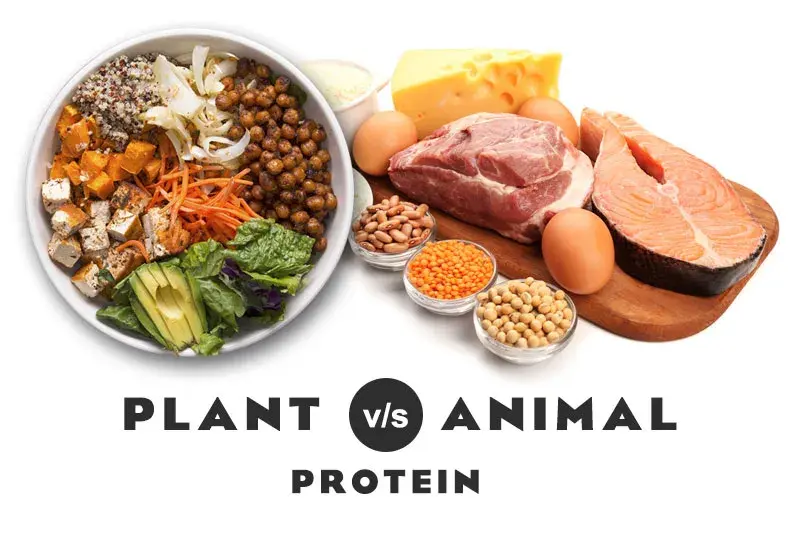
Digesting, absorbing and metabolizing food itself costs energy — roughly 10–15% of total daily energy expenditure, compared to 60–70% for basal metabolic rate and about 20% for activity. Protein has the highest thermic cost, at around 20–30%, versus 6–8% for carbs and 3–5% for fat — meaning 100 calories of protein burns 20-30 calories just to digest. Protein also increases satiety, which is part of why high-protein diets consistently support weight loss.
Processed vs unprocessed food and hormones
High-glycemic foods trigger more insulin release than fiber- and protein-rich foods, and excess insulin encourages fat storage. Ultra-processed, low-fiber food also releases more ghrelin (hunger) and less leptin (fullness) than whole food does — which is a big part of why processed food is easier to overeat.
Gut microbiome
The trillions of microorganisms in our gut also influence how many calories we actually extract from food, and research suggests gut microbiome composition can predict likelihood of obesity — though the science on exactly why is still developing.
Conclusion
Weight management isn't pure calories-in-calories-out math — 500 calories from ultra-processed food and 500 calories from fiber- and protein-rich food affect your body very differently. That doesn't mean cutting carbs entirely; whole grains, legumes and pulses support gut health in a way refined carbs don't. Simple habits — more fermented food, 7–8 hours of quality sleep — do more for gut health than any supplement.
Written by,
Sangeetha Duraiswamy, B.P.T., C.S.P.T., M.I.A.P., M.B.A. (HRM), M.Sc. (Diet and Food Service Management).
This article is for general educational purposes and does not constitute medical advice.

Comments