Eating with Diabetes Mellitus (Type 2 Diabetes)

Updated: Aug 23
What is diabetes mellitus?
Diabetes is a metabolic disorder characterised by decreased ability or total inability of tissues to utilize carbohydrates (glucose). This disorder occurs when the pancreas does not produce enough insulin or when the body cannot effectively use the insulin it produces. Insulin is a hormone that regulates blood sugar.
Hyperglycaemia, or raised blood sugar, is a common effect of uncontrolled diabetes and over time leads to serious damage to many of the body's systems, especially the nerves and blood vessel.
Diagnosis of Diabetes Mellitus
Fasting Blood Sugar: Blood sample is taken after a fasting period of at least 8 hours. Typically the sample is collected early in morning in empty stomach before breakfast. Random blood sugar test: Random blood sugar can be tested during any time of the day irrespective of when the patient ate.
HbA1c: This test estimates the average blood sugar level over the past 2 to 3 months.
Prevalence of diabetes mellitus
According to an ICMR study published in a medical journal 'LANCET' there are more than 101 million people living with diabetes and more than 136 million people are prediabetic.
Insulin Resistance
Insulin resistance is often referred as prediabetes. Insulin is the hormone that regulates blood sugar level. After we eat our blood glucose level increases and this stimulates cells of pancreas to release insulin.
Insulin resistance is a state of the body when the cells don't respond to insulin well. Glucose then accumulates in the blood stream, leading to high glucose levels, and over time the pancreas becomes exhausted and stops producing enough insulin, which leads to diabetes mellitus.
Eating with diabetes mellitus
Carbohydrates: Simple carbohydrates can spike blood sugar, but that doesn't mean diabetics should stop eating carbs. Carbs should still be part of a diabetic diet, and 55 to 65% of daily calories should in fact come from carbohydrates — but the type of carb matters a lot. Complex carbs, rich in fiber, are digested slowly and prevent blood sugar spikes.
Proteins
1 gm of protein per kg of body weight is recommended for diabetic patients, to maintain body composition and prevent muscle loss. People with existing kidney complications should not consume more than 0.8 gm of protein per kg of body weight without consulting a dietitian.
Fats
Total fat intake should stay under 30% of daily calories, and under 20% for obese diabetics with hypertension or cardiac disease. Vegetable oils are preferred over animal fat, which is rich in saturated fatty acids.
Fiber
Diabetic people should aim for at least 25 gm of fiber a day. Fiber is essential for avoiding blood sugar spikes and also supports gut health.
The Plate Method
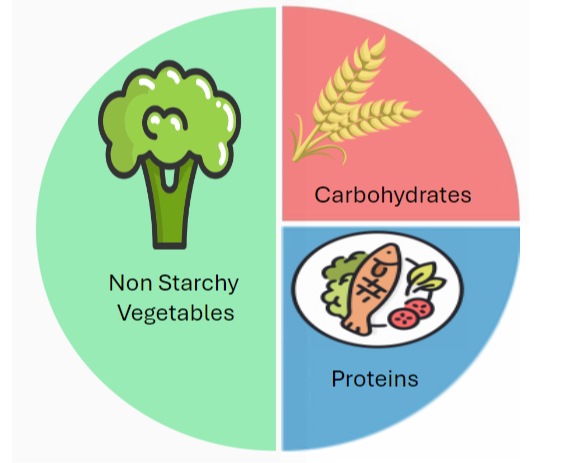
The easiest way to eat healthy with diabetes: divide your plate into three portions. Half with non-starchy vegetables, one quarter with protein sources like egg, chicken, fish, paneer or tofu, and one quarter with carb-rich foods like grains, pulses, yogurt or milk.
Summary
Diabetes is caused by a lack of insulin, or the body not responding to insulin effectively. Contrary to a common myth, diabetics should not avoid carbohydrates — 55 to 65% of daily calories should come from complex carbs like pulses, legumes and whole grains, which have a lower glycemic load than simple carbs. The plate method is a simple way to balance vegetables, protein and carbs at every meal, alongside regular exercise.
Written by Sangeetha Duraiswamy, B.P.T., C.S.P.T., M.I.A.P., M.B.A. (HRM), M.Sc. (Diet and Food Service Management). This article is for general educational purposes and does not constitute medical advice. Please consult your physician regarding medication and treatment decisions.



Comments